
Even after a year of being housebound, many of us find ourselves in a remote-work situation, so home is where we're going to spend far more time than we once did. It doesn't take long for our thoughts to switch to the extra power we're going to use by being at home so much more. To help keep electricity costs down, you have a broad choice of "smart" and "wireless" devices to help control your energy usage around the house. Smart energy technology can help you use less power and use it more wisely.
A smart meter or energy monitor can give you a bird's-eye view of your ongoing energy usage. It installs directly into your home's electrical system at the main panel and, through an app, it gives you a reading of electrical flow, along with a host of statistics about your home energy usage. Some models can actually identify individual appliances and monitor their power consumption.
This can be invaluable in identifying non-critical electricity usage so you can make decisions about which items to disconnect from the power grid. Do you really need that wine fridge to be on all day and night? Linked to a smart lighting system, they can even tell you how much power a particular lamp is using.
Since heating and air conditioning are notorious for consuming the lion's share of your home energy budget, a wise investment would be to install a smart thermostat. By programming it with your at-home and away patterns, it can control the temperature in your house and make sure you're not spending energy dollars when you're not even at home or awake.
Some versions allow you to control your system remotely through an app, while even more exotic models are being developed that figure out your home patterns all by themselves. Using presence detection, linking to your smart phone GPS readings to determine if you're on your way back, receiving local weather data and even factoring in your utility's peak-period rates, they can control your home's environment with maximum monetary savings in mind.
Just how much you can save varies greatly, but estimates begin at about 10% reduction in your energy bill. A manually programmable thermostat can give you roughly equivalent results if you want to key in your own times and temperatures, and reduce the feeling of being monitored by technology.
When it's light outside, open your blinds and you don't need to turn on your home lighting. When it's hot outside, close your blinds so your air conditioner won't have to work as hard. Well, now you can automate that process with a system that can be controlled from your phone via an app with voice command, or you can let it can take over complete control of opening and closing the blinds around your dwelling.
Did you have a dad who was always saying: turn the lights off when you leave the room! He was right. Lights that remain on when nobody is even there can seriously eat into your energy budget. There are plenty of automation solutions available -- smart switches, smart bulbs and even room sensors that can turn individual lamps or entire room lighting on and off as genuinely needed. They can be controlled via an app on your phone or they can function autonomously to keep your power consumption in line, day and night.
Have you ever seen someone's lawn sprinkler system hard at work while it's actually raining? Your sprinkler system can now control itself and avoid such wastage. Smart sprinklers can set up watering patterns and adjust those schedules if it rains or if someone walks outside where they might get wet. By monitoring water pressure, they can also detect leaks or broken sprinkler heads, sending you a notification on your app.
Though not dangerous to your well-being, energy vampires can be a scary thing. Take a walk around your home and count the devices that activate by remote control or by touching a button. In order to respond to your command, they need a constant stream of power to keep their sensors active. It's a tiny amount of energy they consume, but multiply that by the number of them around your house and the hours of the day when they are not actually being used, and the drain they represent becomes clear. If you determine which of those you absolutely need to keep in a ready state, you can disconnect all the others and only plug them back in as needed.
Also, any device that uses a "brick"-style power supply is still drawing energy as long as it is plugged in. Device chargers are notorious for that, since you probably only need to recharge your gadgets one or two times per day. If you keep them on a power strip that has an "off" switch, you can stop that energy flow when they're not needed. And of course there are smart plugs that can do that for you.
If you have any questions about how to energy waste-proof your home, we're here for you at Atlantic Energy. Our professionals will be happy to perform an energy audit at your home or business, and advise you on the best way to manage your power consumption. For any questions about energy use, contact us anytime at atlanticenergyco.com.
We have the power to help you.

There are so many reasons you should want to reduce your energy footprint. If combating climate change, reducing pollution and preserving the planet for future generations aren't convincing arguments ... how about saving you money? Wasting anything is money sent down the drain, and spending more on energy than you need to is no different.
Energy Efficiency, in a nutshell, is doing more with less. Taking a close look at your energy use and the efficiency of your home and appliances can save you a lot in the long run. Here are some steps you can take today that will make you glad you did, in the years ahead.
Keeping your home warm in winter and cool in summer account for a large portion of your energy use. There's little you can do to improve the efficiency of that process if heat is either escaping or intruding through walls, roof or poorly-fitting windows and doors. But you can fix all that.
Check the insulation in your attic or crawl space. How much is there? Is it evenly applied? Is there room to add some more? Are your walls properly insulated? One quick test is to put your hand on the wall in various places during a particularly cold or hot day. If the wall feels cool or warm to your touch, there may not be sufficient insulation there. When pursuing energy efficiency in your home or business, insulation can be your best friend.
The first thing to look for when inspecting your windows is: do they fit properly? Again, a low-tech approach of feeling for drafts coming in is a good way to start. New energy-efficient windows are usually multi-glazed (with more than one pane of glass between you and the outside) and can involve new, innovative materials or reflective coatings that help keep the outside temperature outside.
Smart or programmable thermostats are designed to control the heating and air conditioning in your home in specific zones at particular times of the day. If you are out of the house or sleeping at more or less the same time every day, the smart thermostat can reduce your use of energy during those hours, and change back to the active levels of energy use just before you return or get up for the day. They're easy to program so that your living habits are reflected in the control patterns and they can save you money at times when you're not around or active. The latest versions are wifi-enabled, so you can change settings on the fly, from virtually anywhere. And some can learn your coming and going habits all by themselves.
Patented in 1880, the incandescent light bulb wastes 90% of its energy as unwanted heat. You'll still find plenty of them in use, along with the fluorescent bulbs that followed. The most energy-efficient lamp we have today is the light emitting diode, or LED light bulb, which is more energy-efficient and longer-lasting than its predecessors. There's an LED bulb available for just about every application you might require.
Take a walk around your home, looking for any energy vampires that might be drawing minute amounts of energy day and night, without you noticing. Along with major power wasters like heating and air-conditioning, which you can deal with using smart thermostats, there are other items that are consuming power even when not in actual use. Tweak the settings on your computers and other electronics to make sure they shut down when not in use for more than several minutes.
The transformer "bricks" that convert house power for use by small electronic devices are consuming power as long as they're plugged in. Once your phone is recharged, unplug the charger. Some people have multi-outlet power bars sitting on a counter with several transformer bricks plugged in all day and night. Make sure the power bar has an "off" switch, and remember to use it.
You can lower your energy costs by a large amount simply by investing in appliances and devices that sport the Energy Star logo. They are the latest generation of appliances and they have been designed to use less energy to do the same job as their predecessors. You can find Energy Star-rated washers, dryers, refrigerators, dishwashers, water heaters, televisions, and other entertainment equipment -- even ceiling fans.
Explore heat pumps or solar panels to make an even greater impact on the environmental issue. While these appliances may cost a bit more at the outset, they can save large amounts of energy -- and money -- over the years to offset the expense. Be sure to ask the experts at Atlantic Energy about rebates and other discounts that can help pave the way to energy efficiency in your home.
An answer to the old question: "Can I really make a difference?" is found in the fact that energy use in America has remained roughly the same since 2000, while the economy has grown by approximately 30 percent. This also reflects the time frame during which energy efficient measures have become commonplace.
Saving energy also depends on smart habits, like turning off unneeded lights, efficient loading and settings on washing and drying appliances for both dishes and laundry, and looking out for phantom power drains. According to estimates from the US Department of Energy, the average American household can save about 25% on utility bills by taking some simple steps to improve their energy efficiency.
Still confused about energy-saving techniques? Have the professionals from Atlantic Energy perform an energy audit at your home or business. For any questions about alternative energy options, contact us anytime at atlanticenergyco.com.
We have the power to help you.

Thanksgiving is a day known for food, travel, and family get togethers. At those family gatherings, so many of us are often looking for good topics to bring up to keep the conversation flowing. We want to avoid politics, maybe you don’t care about the football game on TV, and you may realize you actually have all that much in common with that distant cousin.
Fear not, because the world of energy always serves up some delicious and fascinating tidbits that you can use to fill in any awkward silences or to quickly change the subject. If you seek to be trivia master or just engage your fellow Turkey Day diners with some fun facts, consider the following ways you can break down Thanksgiving by the energy numbers:
While every Thanksgiving dinner is unique, and that’s one of the beauties of it, some keen energy enthusiasts at the Marine Corps did the math on the average Thanksgiving dinner. Assuming you use electricity to cook the dinner rather than gas, a dinner composed of a turkey, stuffing, mashed potatoes, green bean casserole, and pumpkin pie should require the use of about 14 kilowatthours (kWh) of electricity. Notably over half of that power consumption goes to the traditional Thanksgiving turkey!
To conceptualize that, if you instead opted to microwave frozen burritos with that power you’d be able to warm up almost 300 of them. Or if you were going to instead watch a Christmas movie marathon, that 14 kWh would be enough to keep the TV powered for 42 hours straight.
Cooking your turkey in the oven connected to the grid is too simple, so the fun folks at Wired decided to investigate how many batteries would be needed to cook a turkey. They went through the complex science of batteries and found you could take your turkey cooking off grid using just 151 D-cell batteries. You may not have those on hand when it comes to an unexpected outage, but it’s good to have backups!
Most people tend to travel to be with their families during the holidays, which can take them just a few miles down the road or from one coast to the next. On average, Americans travel about 770 miles to be with family for Thanksgiving. To translate to the energy facts, it depends on the method used to make the trip:
So for minimizing emissions, consider packing as many people into your vehicle (or plane!) as possible.
Power companies keep a close eye not just on how much energy the entire grid uses, but also what the highest level of demand is on any given day. Knowing this peak demand time allows for them to plan to have maximum generating resources going at the right time to ensure supply meets demand. Typically, this period of peak demand will be somewhat early in the morning, around 7 AM as people are getting up and getting ready for the day, and a lesser peak again in the early evening once they return home from work and school and start using home appliances. However, on Thanksgiving our behaviors greatly change and so the expected patterns change with them.
Study of energy use on Thanksgiving compared with other November weekdays highlight that peak demand shifts from 7-7:30 AM to about 11-11:30 AM, 4 hours later, as that is when people are doing the bulk of their cooking and meal preparations in the kitchen. Grid operators are prudent to not treat Thanksgiving as just any other Thursday when planning accordingly.
These figures are fun to think about and show some of the different ways in which those in the energy sector need to think about meeting power demand during holidays, and indeed throughout the year. But if you really want to impart some energy-based wisdom to your friends and families this holiday season, consider sharing with them any of these actionable energy-saving tips:

Have you ever done a home energy assessment? If you haven’t — or if it’s been a while — it’s possible that your household is wasting significant amounts of energy. It also provides valuable insights, such as which areas of your home require more power, whether it’s time to add more insulation, and/or whether your windows need to be sealed to prevent leakages.
Whether you decide to hire a professional or perform it yourself, it could result in a more comfortable home environment and lower energy bills. But what if you have a smart home? Does that mean that you’re automatically optimizing your energy usage? While being more mindful of wasteful habits and installing smart technology are definitely helpful, it’s good to be aware of energy-saving tips, even for smart homes.
The term smart home refers to a household where technology is used to maximize energy usage and the family’s comfort, including:
Smart homes also can have tech devices for entertainment purposes, such as playing music or watching movies with surround sound on command. They can also include AI technology for convenience, such as using IoT to remind them of errands to run later (“Alexa, remind me to take my vitamins at 8:00 AM every morning.”)
Smart devices are called smart for a reason. Your home is more comfortable, and you save energy. But there are also things you can keep in mind to maximize efficiency. Specifically:
The Environmental Protection Agency (EPA) and the Department of Energy (DOE) worked together to develop energy efficiency requirements for household appliances. This was done to help consumers save money and to reduce greenhouse gas emissions. When appliances are built following these specifications, they are labeled with the Energy Star logo.
Energy Star also offers helpful online tools for homeowners to improve energy efficiency, such as the Home Advisor and HVAC Installation platforms.
Adjusting your thermostat setting by a couple of degrees for several hours a day can result in significant savings in your heating and cooling bills. A smart thermostat allows you to preset times when the temperature should be adjusted in your home — lowering it when most of your family is going to bed or slightly increasing it if the house is going to be empty for hours at a time. This is one of the most significant energy-consumption actions you could implement in your home since climate control is typically a household’s largest energy expenditure.
Smart bulbs can not only help you save energy, but they can also set the mood for any room in your house. Want to dim the lights or change the colors because you want to have a romantic dinner, meditate, or just because you like purple lights? Smart LED bulbs can be installed on any lamp or light fixture and controlled directly from an app. And if you use Energy Star bulbs, your energy consumption can be reduced by a whopping 75%. An added bonus is that LED lights also last 25 times longer than traditional light bulbs.
Have you ever left home only to wonder halfway through your commute whether you turned off the iron? Smart plugs eliminate that anxiety by allowing you to check and control from your smartphone. In fact, you don’t even have to be away from home. Maybe you just laid down to rest for a bit—no need to get up to check anything.
Smart plugs can be installed on any wall socket and save you energy consumption by allowing you to turn off devices from wherever you are. As an added benefit, you can also plug in items you’d like to turn on remotely, such as your coffee maker while you’re getting out of bed or the dryer while you’re in another room of the house.
A smart home system is a hub where you control all of these separate elements. Instead of picking and choosing one or the other, integrate all of them for maximum energy consumption. You can even save more money if you purchase items in a bundle. Not only would you get several smart devices at the same time for a reduced price after a specific period of time, but you could also qualify to receive cash back on your energy supply.
At Atlantic Energy, we are committed to providing reliable, energy-efficient solutions for households across America. We offer a wide array of smart products for residential and commercial clients, such as plugs, Bluetooth and WiFi-enabled LED bulbs, and bundles.
Contact us to learn more about how we can help you reduce energy costs and make your life at home or business a lot easier.
In today’s ever-evolving world, keeping the environment clean and safe is becoming more and more of a priority. While we continue to rely on nonrenewable and fossil fuels, green technology is becoming more important to energize our homes and keep the environment safe at the same time. For Energy Awareness Month, we wanted to highlight some of the ways we can use technology in our homes to better reduce our carbon footprint and limit our energy consumption to help the planet for years to come.
Lights are one of the most important pieces of technology in our homes. Lighting accounts for 8% of our total energy consumption, so finding more energy-efficient bulbs such as LEDs instead of standard bulbs can drastically reduce the amount of energy we use. Not only that, but they will also last longer and give off no heat or UV emissions. Using an automated lighting system can help keep your lights on a schedule, change the brightness, and even adjust them to different colors to fit whatever mood you are in.
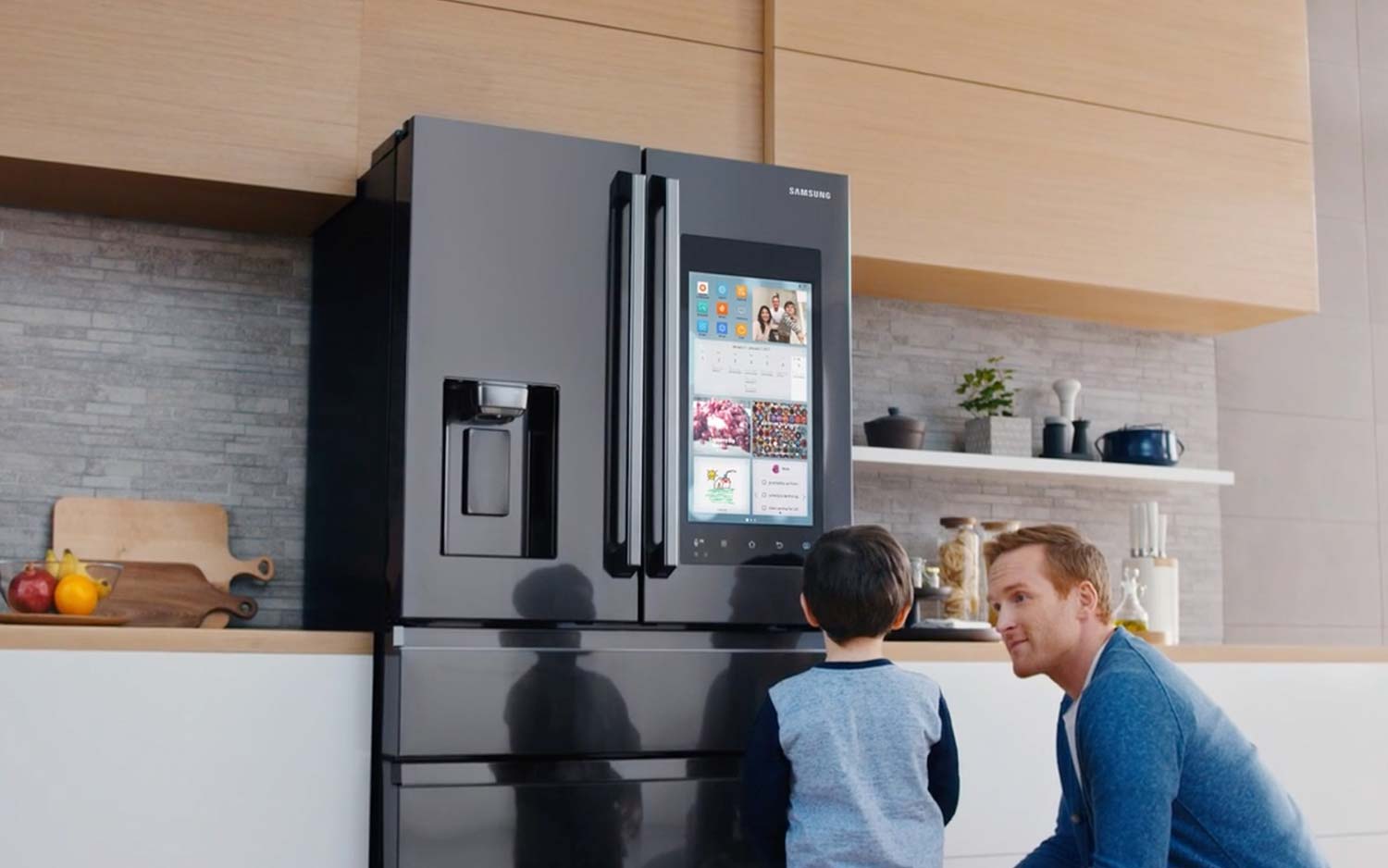
Over time, using less energy for refrigeration can have a major impact on climate change and is one of the biggest draws on electricity in our homes. Smart fridges can learn your door-opening habits and start the cooling process only when it is necessary. They also use an internal process called “demand response” to communicate with local utilities so that energy is optimized during off-peak hours to reduce the amount of energy being used. Smart fridges can pay for themselves in nearly 10 – 15 years, so making sure you find ways to keep them protected and up to speed for the long run is essential. To maximize efficiency, it’s important to keep the coils clean and fill the empty space in your freezer with jugs of water. Regular maintenance, along with additional safeguards like home warranty, can ensure the longevity of your appliances and make the most of your investment.
Similar to the smart fridge, a smart thermostat can learn your household’s patterns and adjust its heating and cooling accordingly. It will only use energy when you are in the home and can be controlled remotely, making it easier to keep track of when you want to start the heating or cooling process. You can save nearly 10% on your overall yearly heating and cooling bill by simply turning your thermostat down 7 – 10 degrees. So, having remote access to set a schedule can not only reduce your energy consumption but also save you money. Most smart thermostats can give you a distinct report about when you’re using the most energy, allowing you to change your patterns and optimize your home so you aren’t wasting any power.
A simple way to start reducing your energy consumption is looking to switch out your old power strips with new smart power strips. These strips can detect when one of your devices is in standby mode and will cut the power in that outlet. Each outlet has a dedicated signal that can either measure the amount of energy being used or sense when there is no activity coming from the plugged-in device and will adjust the power levels coming from that specific outlet. This, over time, will decrease the energy being used from one strip and help you save money. To get the most out of these Smart Strips, strategically place them around your home in areas that have high energy consumption, such as a home office or living room. The more devices you have in one given area, the greater the benefits will be.
As smart homes become ever more popular, so do smart windows. These windows are simple to operate and work similarly to a light switch. With the press of a button, you can tint your windows and block out the majority of solar energy, keeping your home at a consistent temperature. Without the solar energy coming through, your home won’t have to constantly adjust the temperature, wasting a major amount of energy in the process. The windows themselves are very energy efficient, drawing very little electricity when in use so you won’t have to worry about turning them off or on throughout the day.
The environment is changing every day, but so is the technology that we have available to us. With the right home innovations, you can drastically reduce your carbon footprint and help the environment become healthier over time. Reach out to us here at Atlantic Energy for more information regarding how our Smart Home Bundle can help you achieve an eco-conscious home.
Don't you hate it when it's the middle of the night, and you're a few pages away from finishing your latest murder-mystery novel when a blown light bulb suddenly ruins your chance of finding out who done it? If your bedside table lamp uses a regular light, you might want to know if you can replace it with a different type of light.
When you head on over to your favorite home improvement store the next day, don't reach for the first light bulb you see. Now is the perfect opportunity to make the switch from a standard incandescent bulb to an energy-efficient LED bulb.
Continue on to read our light comparison guide and discover the top differences between LED lights and standard bulbs.
A study by the University of Michigan Center for Sustainable Systems took a look at how replacing regular lights with LED lights helped cut residential energy costs and greenhouse gas emissions. The researchers said, "lamps with higher usage rates should be upgraded first and more frequently to achieve the highest possible cost, energy, and emission savings."
The top reasons to consider making the switch from regular lighting to LED lighting include:
Due to their energy inefficiency, certain incandescent and halogen light bulbs are starting to be phased out or even attempted to be banned in certain states. LED lights continue to get cheaper every year and, when you factor in their long lifespan, the cost is comparable to regular bulbs.
Have you ever wondered if an LED light bulb is the same as a regular light bulb? Amazingly, Energy Star mentions how "LED lighting products produce light up to 90% more efficiently" when compared to standard household incandescent light bulbs.
The four main types of light bulbs used in residential homes include:
Incandescent light bulbs are the standard light bulbs used in most people's homes. They are easily recognizable with their white, or sometimes clear, glass bulb surrounding a tungsten lighting filament. Regular light bulbs have been around since the mid-1800s and work by heating the filament with electricity until it begins to glow brightly.
Incandescent bulbs aren't very efficient, produce a lot of heat, and burn out relatively quickly. The average lifespan of regular incandescent light bulbs is only about 1,000 hours.
Halogen light bulbs are nothing more than an enhanced version of an incandescent bulb. Like regular lights, halogens start with a clear glass bulb enclosing a tungsten lighting filament. However, the tungsten filament from a halogen bulb is also surrounded by a transparent housing filled with an inert gas like iodine or bromine.
When you turn on a halogen light fixture, the gas ignites the filament producing a hotter yet brighter light than a standard bulb. The average lifespan of halogen bulbs is about 2,000 hours.
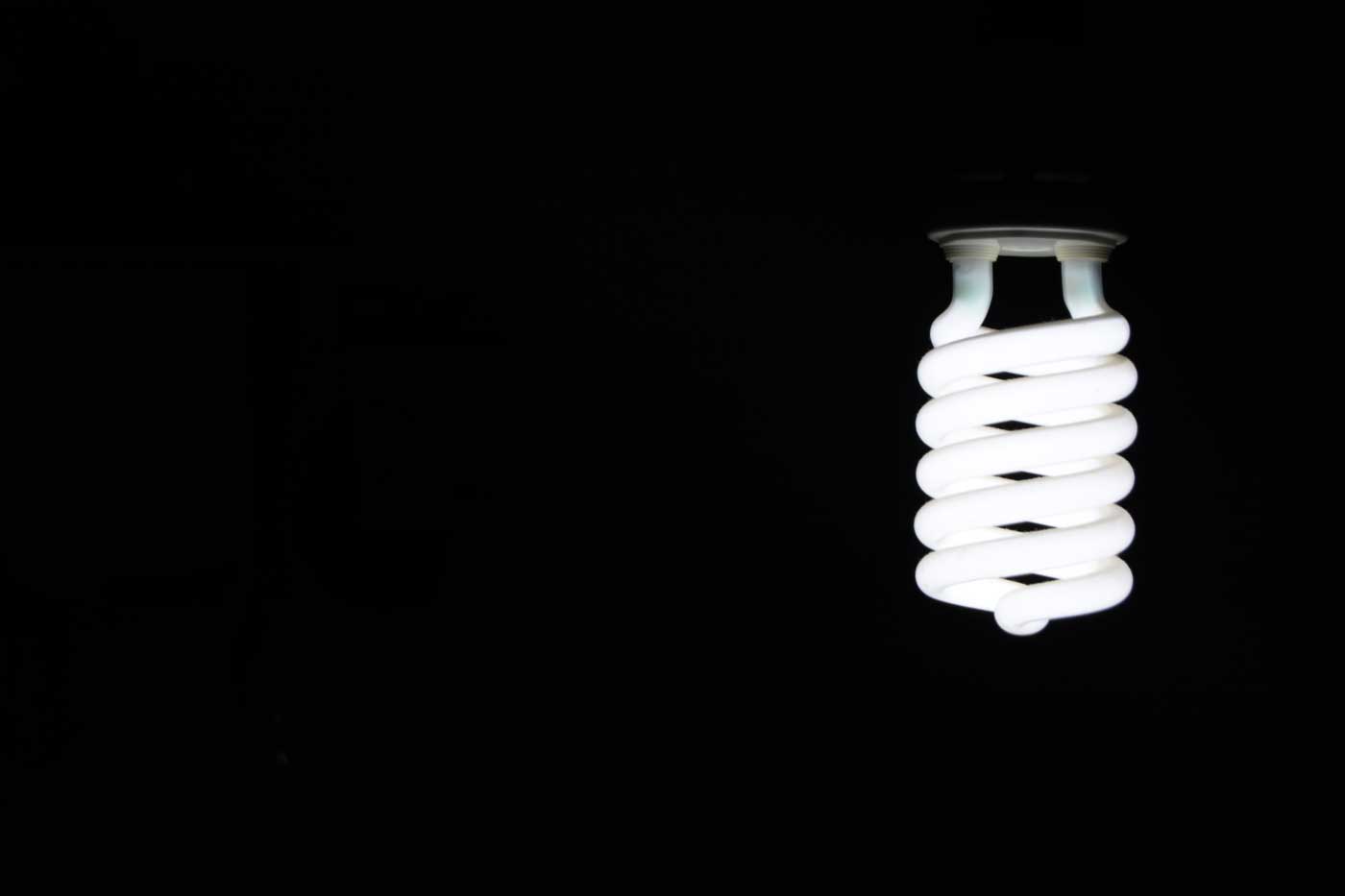
Compact fluorescent lamps come in many shapes and sizes, including the ubiquitous spiral tube seen at many home improvement centers. They are kind of like a miniature overhead fluorescent lighting tube housed in a compact lighting fixture. CFL light tubes contain argon gas and a trace amount of mercury. When an electric current travels through the tube, ultraviolet light is generated, causing the interior fluorescent coating to phosphor or light up.
CFL bulbs come in different base types, including a screw-in base that lets you use them in any standard lighting fixture that fits a regular incandescent or halogen bulb. The average lifespan of a CFL bulb is about 12,000 hours, and they use much less electricity - about one-fifth to one-third less than regular incandescent bulbs.
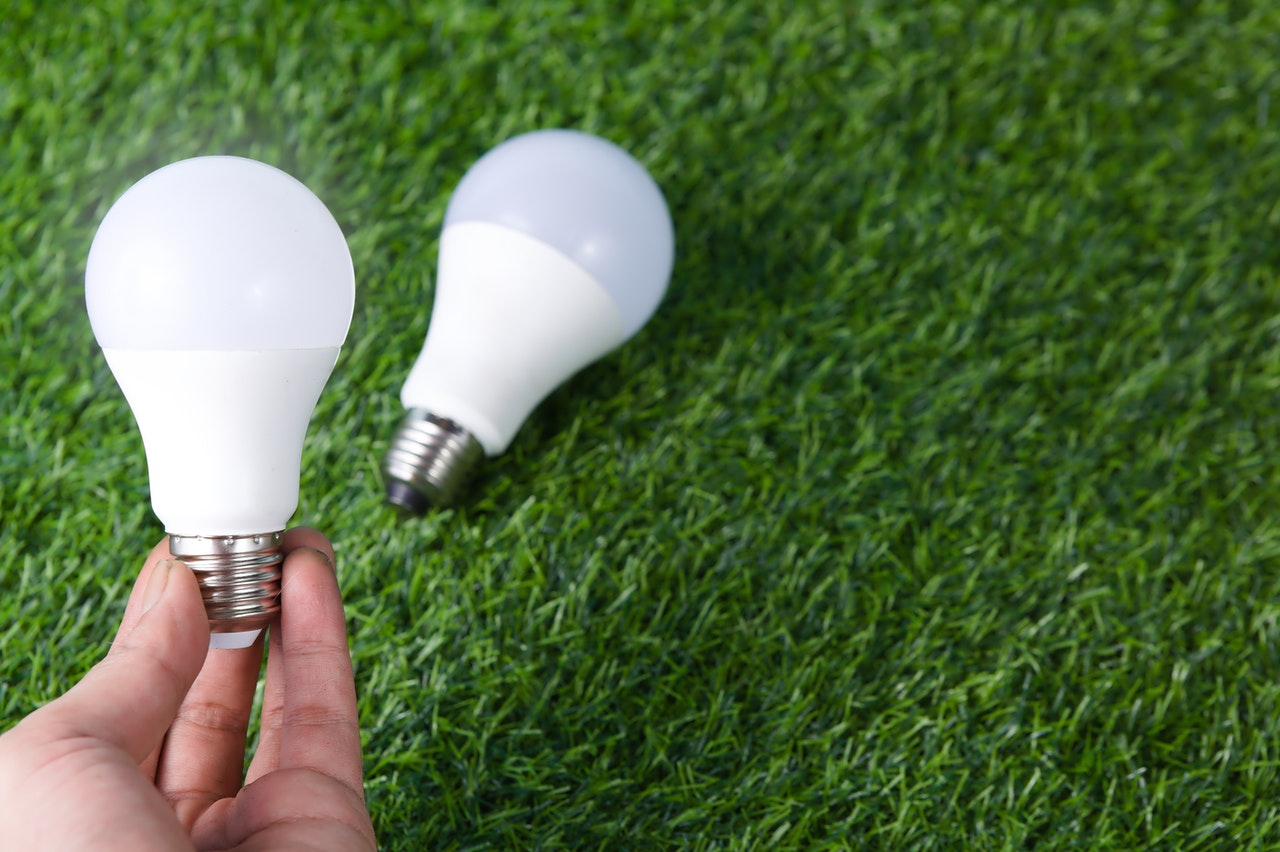
When you turn on an LED light, electricity passes through a small microchip, AKA the light-emitting diode, causing it to glow brightly. A few reasons for the growing popularity of LED lights are that they are cooler to the touch, use much less energy, and last up to 25 times longer than standard light bulbs.
People used to worry that replacing their entire household with LED bulbs was expensive. But you should never compare the cost of an inefficient regular bulb with an energy-efficient LED bulb. With the average lifespan of an LED bulb being around 25,000 hours, this means your bulbs will last much, MUCH longer compared to standard lighting options.
This is a win-win lighting situation for your home, your wallet, and the environment.
If you're replacing all your lighting fixtures with LED bulbs, you're probably wondering how to dispose of your old bulbs. Of course, you don't want to simply throw them in the trash, as broken bits of glass are certainly a safety hazard.
Many recycling facilities won't accept light bulbs placed in recycling bins, but you can dispose of incandescent, halogen bulbs in your regular trash can. It's a good idea to wrap the bulbs with paper towels or place them in a ziplock bag or small cardboard box before disposing them. That way, the sharp pieces of glass are safely contained if any of the bulbs break.
Since CFLs contain a trace amount of toxic mercury, this makes disposal a more difficult proposition. You may have to take your CFL bulbs to a facility that accepts household hazardous waste or contact your local home improvement store to ask if they have a CFL drop-off site near you.
We think you'll agree that, after reading our light comparison guide, there really is no reason to continue using inefficient incandescent lightbulbs around your home. From lowering energy costs to reducing carbon dioxide emissions, LED bulbs are the lighting of the future.
Power the Smart Way with Atlantic Energy - reach out to us today and discover how we can help make your home smarter. When you choose us as your residential energy provider, you will receive our Smart Home Bundle, including ten energy-efficient LED bulbs and 3 Smart Wi-Fi enabled LED bulbs.
With so much understandable focus on transitioning energy generation from fossil fuels to clean energy, stakeholders must not overlook some of the lowest hanging fruit in the energy realm: energy efficiency. Well-planned energy efficiency programs and technologies represent one of the most critical and natural win-wins out there. Energy efficiency allows for conserving of energy without sacrificing output, meaning buildings and customers cut costs, power providers minimize how much demand they need to reach, and fewer greenhouse gases are spilled into the atmosphere.
When looking at the buildings sector, HVAC (heating, ventilation, and air conditioning) accounts for a whopping 40% of energy use. Because of that fact, finding ways to minimize heating and cooling needs can have a greater effect on utility bills and environmental impact than some of the more commonly discussed options like turning off lights or buying more efficient appliances.
For building owners and facility managers seeking out their unique opportunities to get efficient in the heating and cooling department, they should simply tilt their heads to look up to the rooftop. While rooftops are commonly thought of in the energy world as the avenue for solar panels for those trying to be green, not all buildings are suitable for solar energy. A building could be in a region with poor solar irradiance, it could have a roof that doesn’t face the sun during prime solar hours, it could find itself in the shadow of taller buildings, or it could simply be too costly to install solar panels. However, all buildings can benefit from potential efficiency solutions instead, and these efficiency solutions have looked different in the past from today, and looking forward there are emerging technologies that provide new reasons for excitement.
Looking at the past, present, and future, rooftops can be a tool for energy efficiency:
Early ways to get air conditioning to commercial buildings typically included multiple units on different floors or in different rooms. These systems would send the cool air where it was needed in the summer months, and full HVAC units would do the same with warm air during the winter. This equipment revolutionized the buildings sector, but they did so by adding the greatest amount of aggregate energy demand ever experienced for a single technological advancement (at least until electric vehicles reach their tipping point).
To feed this addiction to building heating and cooling in a way that didn’t require increasingly great demand loads, high-efficiency rooftop air conditioning units were developed. Putting these units on the rooftop in batch form allowed for greater size units that could thus increase the total equipment efficiency, and modern advances since the turn of the 21st century allowed for improvements on the level of 40 to 50% in just the past decade.
Improving building heating and cooling efficiency with larger but more efficient equipment is a helpful, but not very elegant solution. By attacking the sector with a brute force solution, it costs building owners a lot of money to buy into these solutions. Higher efficiency rooftop HVAC units also risk falling under Jevon’s Paradox where building occupants who know they have more efficient equipment may feel license to use the heating/cooling functions more liberally and actually increase total energy demand. Lastly, advancements in the efficiency of these units have slowed in recent years, as the low-hanging fruit of this efficiency solution of yesterday have been picked and resulted in a stall out of further progress.
On rooftops of today, however, some more nuanced and clever solutions have started to take hold in the form of how rooftops are designed. On one side, green rooftops have become a common trend in commercial buildings today. A green roof, according to the U.S. Environmental Protection Agency, is “a vegetative layer grown on a rooftop,” meaning the roof is literally green with plant life like small trees, shrubs, grass, or other plants. The goal of a green roof is to reduce the amount of heat that gets transferred into a building over the course of sun-drenched days. This goal is accomplished as the plant life can provide literal shade, acting as insulators to prevent temperature exchange between the building and air, and generally ensure reduce the need to tap into HVAC systems to regulate a building’s temperature. Upon installation of a green roof, a building can experience 15-25% energy savings on summer energy costs by reducing heat transfer from building exterior to interior by up to 72%. At the same time, green rooftops can be more attractive, engaging for occupants, and even reduce the risk of urban heat islands that increase the more the climate changes.
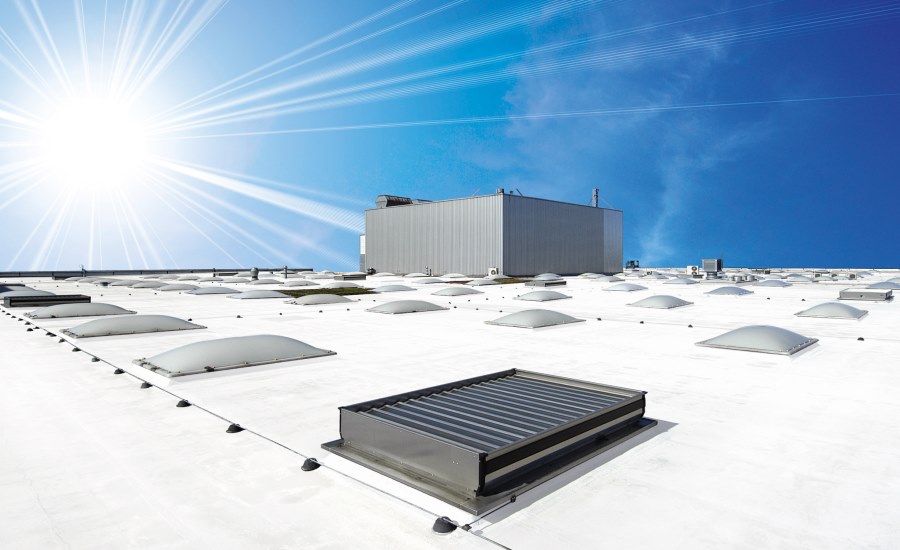
In a similar vein, cool roofs (sometimes known as white roofs) are a similar solution that comes with buildings designing their rooftops to be painted white. Because dark rooftops, which have architecturally been the norm, trap heat on them and transfer that heat into the building, HVAC systems must work overtime to regulate the temperature during sunny days in the hot months. By simply painting rooftops white, though, rooftops will reflect up to 90% of sunlight (compared with 4% of black asphalt). Reflecting that sunlight, and thus heat, away from the building has a similar impact as green roofs, eliminating how hard air conditioning units need to work to keep the temperature inside a building comfortable, and this goal is accomplished simply at the cost of the white coat of paint. Studies who look at the energy use of a building before and after that coat of paint find energy savings of 8% all the way up to 40%, making the investment pretty obvious.
Technology is always advancing, and given that the building stock accounts for 40% of energy use and greenhouse gas emissions, retrofitting existing buildings and constructing new buildings with the best energy efficiency technologies is of paramount importance.
A few specific rooftop efficiency trends to keep an eye on in the coming years include:
And scientists and engineers are sure to identify further opportunities all the time, so keep an eye on this space! As they say, the cheapest unit of energy out there is the energy that’s not used, so keep looking for ways to optimize efficiency first and foremost. If you don’t know where to start with efficiency, you can turn to your power provider as they’ll likely have programs to help you embrace efficiency (having your energy use managed and limited helps the utility just as much as the customer). For example, Atlantic Energy works to educate our customers on the best ways they can save energy, including the use of our smart device packages with smart LED lights and smart plugs. Get started today by enrolling with us.
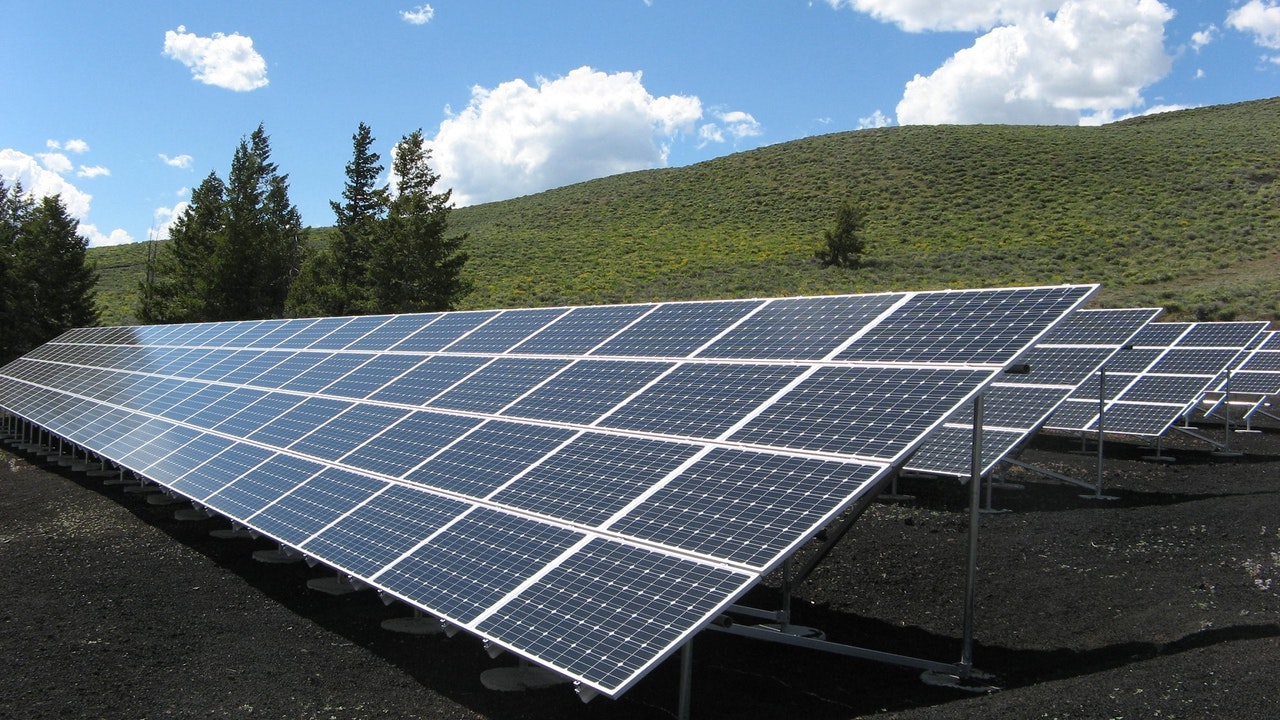
Media outlet headlines and social media posts galore last week came out with a force for the following announcement: the Biden Administration is talking about nearly half of U.S. electricity coming from solar power by 2050. Clean energy advocates, climate warriors, and regular consumers alike raised their eyebrows at such a bold pronouncement. And as too often happens in today’s environment of soundbite news and Tweet-length hot takes, the debate raged on before many people bothered to dig into the headline and what was behind it.
Whether you find yourself excited and optimistic about increasing the energy supply coming from the sun or if you turn a skeptical eye towards such bold claims, informing your opinion based on the facts behind the story needs to be a top priority. So, let’s pump the breaks on the instinct towards sensationalism and make sure we know what the story is being discussed.
When headlines across the web proclaimed the Biden administration was talking nearly half of U.S. electricity supplies coming from solar energy by mid-century, the impetus was the release of the Solar Futures Study from the U.S. Department of Energy. The crux of the headlines that you may have read came from the central thesis that America can feasibly (in terms of technology and economics) get 45% (so not quite half) of its power supply from solar energy alone by 2050.
Despite the world of progress, the solar industry has made from failing to be even a blip on the radar as recently as 2010, this amount of solar penetration would still represent a mobilization the world has never seen before: solar in the United States today represents less than 3% of total generation. According to the Energy Information Administration, the business-as-usual forecasts predict that solar would only reach 20% of all power generation by 2050.
Given these facts, the conclusions from the DOE Solar Futures Study represent more than doubling that market share. So, how does this study end up reaching that conclusion?
The Solar Futures Study was produced by the Solar Energy Technologies Office in conjunction with the National Renewable Energy Laboratory, both under the umbrella of the U.S. Department of Energy. Even if you’re no energy wonk yourself, the DOE Solar Futures Study (or at least the executive summary) is worth a read. The notable assumptions and conclusions behind that noteworthy 45% solar by 2050 figure include the following:
The key point to note in all the above, and what your friends on Facebook may have overlooked before resharing or commenting, was that this was a study about what was possible or feasible. This study did not amount to a mandate, nor even a forecast of what was expected to happen under a business-as-usual scenario. The headlines that suggested this study amounted to Biden requiring or predicting nearly half of energy would come from solar are not telling the full story. The outcomes of this study certainly paint the types of aspirations the administration holds, but these goals will not be met without aggressive action behind them.
That said, the way the U.S. energy policy tends to work is that this study could very well be the first step towards those necessary actions: put out the science, receive feedback (both positive and negative), and use that dialogue that as an outline of what might be possible to mandate or fund in the future. This study could then be the reference point for future orders or legislation. Given that possibility, the conclusions of this study are still important for energy stakeholders to read, react, and consider. As noted, the study highlighted what was needed policy-wise to change before such a solar future to come into fruition, as lofty declarations beget ambitious goals perhaps beget aggressive success. But what the realities will be in terms of action and results both remain to be seen.
Clean energy is becoming more important to stakeholders across the grid, not just because governments are mandating or incentivizing it, but because power providers are recognizing that doing so is the lower cost option in the long run. This clean energy transition is also the best way for the energy sector to prevent the worst impacts of the climate crisis.
Customers in the electricity supply chain are among the biggest drivers of clean energy demand, including solar, which is why the availability of deregulated markets that allow customers to choose power providers more deeply committed to a solar future is important. For example, if you are in New York, New Jersey, Pennsylvania, Ohio, Illinois, Maryland, Connecticut, Massachusetts, and Washington DC, Atlantic Energy is one of the options you may have as an alternative energy provider. Contact us today to learn if you’re eligible and find out what great programs, prices, and clean energy services we can offer you thanks to the system of energy choice!

The perennial favorite for barbecue grills, propane is also a versatile and convenient fuel with a wide range of applications. Many Americans are turning to propane to serve as the primary energy source in their homes. There are many reasons for switching from electricity, heating oil and natural gas. Let's drill down on the benefits of using propane as your prime household fuel.
According to the 1990 Clean Air Act, propane is safe, efficient and ecologically friendly. While it is a petroleum byproduct, it burns much cleaner than other fossil fuels. Propane contains less carbon than gasoline, diesel, fuel oil, kerosene or ethanol, thus producing significantly lower greenhouse gas levels than other options.
Propane packs a considerable punch, containing a lot more potential energy than most other burning fuels. A little can go a long way. Although propane is one of the ingredients found in natural gas, pure propane burns slower and hotter than natural gas. Propane can heat a water tank in a third of the time that an electric heat source could take.
Propane is also safer for the environment, as it's not toxic and won't contaminate groundwater. If it leaks or gets spilled, it simply dissipates into the air. Since there is a lot of energy concentrated into a small amount of propane, you don't need to burn as much of it as other hydrocarbon-based fuels, therefore less greenhouse gas gets emitted. Some propane furnaces on the market can operate at very high efficiency.
It's usually extracted in liquid form, referred to as LPG, liquefied petroleum gas. In its liquid state, it is much easier to store and transport than gas. This makes it the perfect off-grid fuel source, and it takes on hero status when some kind of traumatic event shuts down the entire public power supply. Propane-fuelled generators are reliable and operate quietly.
Users can purchase propane by the truckload, for providing the power to heat and run a house, or in small cylinders to fuel a grill or to keep on standby in an area that is subject to severe seasonal weather events like floods or hurricanes.
If you're considering converting to propane for heating your home and powering your appliances, first check the prices in your area. While there are myriad benefits to using propane as a primary energy source for your home, it is not the cheapest option on the market. The good news is that prices fluctuate with the cost of other petroleum products.
You will need a tank of considerable size in which to store your propane. On average, a 500-gallon tank will need to be refilled a couple of times per year. Inquire about discount suppliers, and keep in mind that renting a tank usually means you are locked into a single supplier for your propane deliveries. To maintain your ability to shop around for better propane prices, you will want to own your tank.
Before you take the plunge and convert to propane, make sure you are an informed consumer.
Storing your propane supply outdoors is a must. Propane is heavier than natural gas and not as quick to dissipate into the air. While accidents are rare, most of them are due to leakage, often from improperly maintained equipment. In its gaseous state, propane can fill an enclosed space without warning and either ignite from a stray spark or replace the available air, making it difficult to breathe.
If properly combusted, propane emits little carbon monoxide. However, if you have an older furnace that is not thoroughly burning the propane, carbon monoxide could build up to dangerous levels.
Using propane safely is quite simple:
Regardless of which energy source you use, it's always a good idea to have the professionals from Atlantic Energy come in and perform a home energy audit. Optimize your energy efficiency and talk to us about alternative energy options. Contact us anytime at atlanticenergyco.com and ask us about propane conversion or any other energy questions you might have.
We have the power to help you.
The COVID-19 pandemic created a lot of devastation, uncertainty, and long-lingering impacts from which modern society, leaders, and markets will be looking back on for years to come. While these impacts will be the dominating memory, and rightfully so, the situation that required people to drastically adjust their ways of lives create countless ‘natural experiments’ of sorts, and the energy sector at large was a key area in which this occurred.
Some of the dominating trends observed included pollution reductions while populations quarantined at home, utilities putting a moratorium on shutting off power for those who couldn’t pay their bills, and delayed construction for many new generation projects that were in the pipeline. However, among the most interesting impacts to look back on in 2020 during the height of COVID-19 were the impacts to energy consumption.
Typically, power use elevates in the morning as people wake up and start to get ready for the day: showering, cooking breakfast, etc. By mid-morning when people are at work, school or other places of mass congregation, total energy demand drops because energy can be more efficiently used during these times (e.g., heating one office building with 100 people in it is more efficient than heating 100 individual homes). In the early evening, as families return home, they tend to use the most energy to turn on their lights, operate their appliances, cook dinner, wash clothes, etc.
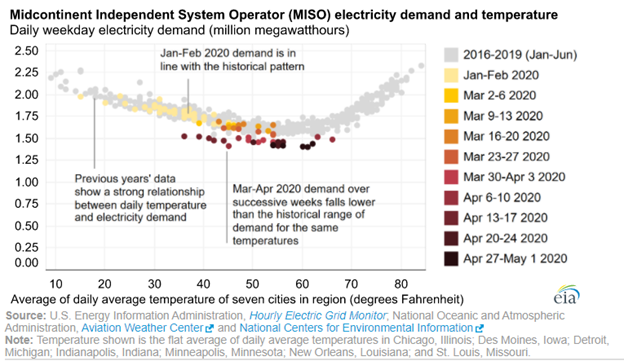
Utility leaders never had reason to question this pattern. However, with people working and schooling virtually from home experts saw overall that electricity demand during COVID-19 weekdays more closely resembled “Sunday levels.” That is, the average household didn’t see as extreme a ramp up during the morning nor as high differences between mid-day and early evening. Instead, energy use was more evenly distributed throughout the day as virtual work and school technologies were used all afternoon, households weren’t turning off air conditioners during the day because the house wasn’t empty, and the general day-to-day energy use patterns changed with the daily habit change. The overall trend was still observed to a degree, but the drastic differences between times of day were dampened.
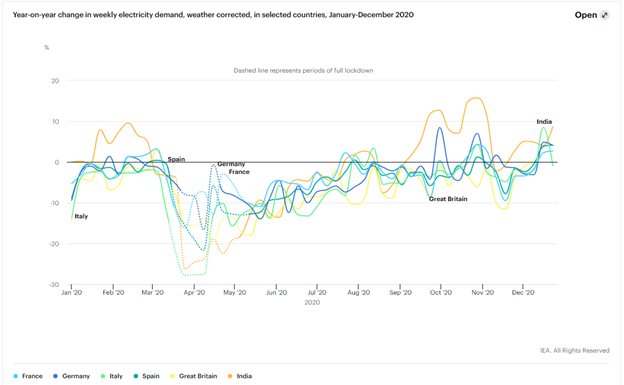
These changed observed trends aren’t inherently a positive or negative, but rather they are trends that must be considered in the context of the whole system. How does a changing demand profile impact the relative costs of different energy sources? How can and should utilities change their infrastructure buildout plans? How might this shift the decision-making process of customers considering investing in rooftop solar?
According to EIA’s Annual Energy Outlook, the United States is likely not to return to the 2019 level of energy consumption until 2029. This drop in energy consumption is not a specific success of any energy efficiency measures or integration of on-site generation that reduces the demand on the grid, but rather a reflection of the economic impact felt by the pandemic reducing overall output.
Stepping back, the pipeline of new energy generation projects has been planned and financed assuming a previously predictable growing power demand across the sector, largely to be filled with clean energy projects. The integration of these projects would reduce the overall carbon intensity of the grid and put the nation on the right path to meet climate targets. With less demand growth than anticipated, not to mention renewable financers getting hit hard, the result could be a longer time period before clean energy replaces fossil fuels.
During the COVID-19 pandemic, the dire situation of energy poor homes across the country became all too evident. Certain regions of the country seeing their low-income households forced to pay up to 14% of their income on utility bills alone. When the economic crisis unleashed by COVID-19 hit and many of these people lost their jobs, that energy burden became even more challenging. Utilities largely stopped collecting payments from these homes and ceased power shutoff threats, but into 2021 those homes are now looking at having to pay back those unpaid bills and see the threat of going without power once again.
In these situations, the long-term impact of COVID-19 may have a couple of widespread impacts. First, these homes are going to need even more to find ways to reduce their power bills. While they were certainly conscious of this need before, the reality of the COVID-19 economic fall out has made public policy and non-profits more so prioritize this crisis, whether through bill pay assistance, no-cost efficiency upgrades, or other programs.
An additional pathway many of these homes may seek out is taking their power bill into their own hands. In jurisdictions where energy markets are open, customers can shop around to different power providers to find out which companies will offer them:
Atlantic Energy is one such provider that can work to highlight what will work best for your needs and unique situation. We’re here to give you the reins in controlling your power bill. And we can do so by providing more efficient smart products that help you consume less energy, control household energy use, and even provide some fun extra smart tools (not just in your home, but also for your business). Check out what we can do for you by enrolling here.
For those looking to the future of the energy sector, one which will hopefully be cleaner, smarter, and more customer-focused, its image is becoming clearer by looking back on the trends of the last year.
The Green New Deal has made a lot of noise since late 2018 in the push towards an energy transition, one that would replace America’s polluting and greenhouse gas emitting fossil fuels with renewable and carbon-free energy sources. In terms of efforts to get the American energy mix to 100% clean and/or renewable energy, the Green New Deal called for 100% ‘clean, renewable and zero-emission energy sources,’ but those studying the world of energy policy have long noted that it’s been state governments, not the federal government, who’s had continued success in passing legislation and mandates for clean energy goals.
While the Green New Deal has been invaluable for its ability to push the clean energy and climate change conversation to the mainstream and give the debate staying power that has long eluded this area of focus for too long, signs are still pointing at the uphill battle that advocates will have in trying to get the federal government to commit to 100% clean energy (or any other mandated amount). On the other hand, the past year has been a landmark one for state governments debating and ultimately passing legislation that would push this necessary change.
So, the next time you find yourself reading or debating about the Green New Deal or any other federal clean energy policies, keep in mind the success state governments have had and continue to have, including the following:
Hawaii arguably has the most incentive to convert to renewable energy as not only is the island state most vulnerable to the effects of climate change due its geography, but without in-state fuel sources they typically rely on expensive shipments of fossil fuels to power their grid– shipments that are also vulnerable to interruption. As such, Hawaii passed a bill to get 100% of its power from renewable energy by 2045, the first such state to do so.
California was the second state to set a complete commitment to the energy transition, again an unsurprising leader in this regard considering the Golden State’s history as an environmental leader. SB 100 was passed in 2018 that set the mandate that the state must be powered by 100% clean energy by 2045.
Also in 2018, New Jersey’s governor signed into law an executive order that calls for 100% clean energy by 2050. The Garden State didn’t stop there, also specifically committing to helping develop technologies like offshore wind, community solar, and energy storage in order to achieve these goals.
Most recently, New Mexico’s legislature passed the Energy Transition Act that requires the state to shift to 100% carbon-free energy generation by 2045, with an interim goal of 80% renewable energy by 2040.
While not (yet) a state, Washington DC also made waves when the Federal Capital passed the Clean Energy D.C. Omnibus Act of 2018 that mandated that 100% of the district’s energy come from clean and renewable electricity by 2032. Particularly noteworthy is that this mandate covers federal buildings in the city, White House and Congress included.
Another not-yet-a-state who’s unwilling to wait for the federal government, Puerto Rico responded to the destruction of its grid system during the 2017 hurricane season with recognition of the need for climate action and for a more reliable and resilient grid system. As a part of those efforts, the territory passed the Puerto Rico Energy Public Policy Act that sets a 100% renewable energy target by 2050.
These states and territories are surely just the beginning, as neighboring areas will see the goals they set and, more importantly, the progress they make in achieving those goals. Early adopting states will provide a road map for just how affordable and beneficial these clean energy goals are, and the ‘clean energy bug’ will pass from state to state. Already, New York has made initial moves in this direction as well, while hundreds of cities, counties, and even corporations have joined the fray in committing to clean energy goals without federal mandate.
All of this progress from state governments is undoubtedly good news for the environment, the grid, and the climate, but relying on clean energy policy to come on a state-by-state basis is not without some drawbacks.
Inconsistency in goals (what percentage of power has to be converted? Are we talking about renewable energy or ‘clean energy’ that includes nuclear? What are the deadlines and checkpoints along the way?) makes for an uncertain and difficult to follow market for the energy industryUsing a patchwork of requirements results in inefficiencies in implementation and utility strategy roll-out where there would not be were a single national policy enactedInterstate and international electricity trading is typically not controlled under these goals, just electricity generated within the state, so the result of some state policies will be to ‘outsource’ dirty energy generation across the border.
Despite these problems, clean energy advocates and anyone who understands the dire situation presented by climate change should be grateful for state governments that aren’t sitting on the sideline and waiting for the federal government to act. Piece-by-piece, states and renewable energy proponents are making sure the United States will do its part to combat climate change while debate continues to go in circles in Washington DC.

When eligible customers make the switch to Atlantic Energy, oftentimes they do so because they are seeking to go green with their residential power needs. Atlantic Energy’s customers not only get more affordable energy for their daily needs but by using us they also support our eco-friendly renewable energy sources. Our power generation comes from certified renewable sources, which inherently helps fight climate change and promote sustainable living. It’s just one of the ways your power provider can help you to save the planet.
At Atlantic Energy, though, we strive to take that green commitment a step further, which is why customers who retain our services for a given amount of time are eligible to earn free our smart home bundle. As the smart home market has exploded in popularity in recent years, customers have begun to recognize that these gadgets aren’t just cool and convenient, but they can be the energy-conscious choice in promoting energy efficiency and conservation. As we’ve noted in the Atlantic Energy blog before, smart lights, smart plugs, and smart cameras are all capable of unlocking a truly green home when used by the intelligent consumer.
Atlantic Energy has been happy to empower thousands upon thousands of our customers with these smart home capabilities, but we are not here to rest on our laurels. Rather, we’re always striving to find the next way to help you go green, which is why we are changing our smart home bundle products’ packaging to reduce waste and make them more eco-friendly by going plastic-free.

As with most smart home products on the market, Atlantic Energy’s smart home bundle previous came packaged in a cardboard box and the individual parts were wrapped in plastic bags. However, Atlantic Energy is looking to not just move along with the rest of the market but to set the pace as an industry leader, which is why we’re doing away with those plastic bags. All of the products in the Atlantic Energy smart home bundle will be in recyclable cardboard, meaning you can make sure connecting your home to the Internet of Things (IoT) will no longer require you to add plastic to the world’s growing landfills. This is how we can be a part of the circular economy and let you go green from start to finish.
How much of a difference can getting rid of the plastic bags in our products make? Consider the following fast facts and figures:
Atlantic Energy is committed to minimizing our footprint on the planet Earth, and for that reason, we are moving away from plastic and we are moving towards this more environmental and eco-friendly packaging. We hope you’ll join us on this journey towards a sustainable and healthy planet: it takes all of us working together to really make a difference.
And with that in mind, we invite you to reach out and get in touch with Atlantic Energy today. We’d love you to take advantage of our renewable energy, utilize smart home products to reduce wasted energy in your home, and feel good about it all as you can easily recycle all the packaging products that those smart home products are delivered in!
Whether you’re the overly ambitious household stringing up your holiday lights as soon as Halloween passes or you staunchly wait until Thanksgiving turkey leftovers have been consumed, there’s one fact about holiday lights that’s universal: they drive up our power bills every year.
Come December, you may feel festive hanging Christmas lights or decorating the outside of your house with twinkling bulbs for Hanukkah, but no one feels merry while seeing how much more than usual they owe the utility (not to mention the increased costs to heat your home that are likely hitting at the same time!). Those who are trying to minimize the impact on their monthly budget or are simply trying to be green and reduce their impact on the environment don’t have to feel like a Grinch this holiday season, though, as there are many ways to remain energy-conscious while you deck the halls.
Let’s run through some of the easiest ways to conserve power and harness energy efficiency when decorating your home with holiday lights in a sustainable way:
Use LEDs Instead of Incandescent Bulbs
When it comes to lighting up your home every day of the year, most people are by now well aware of the benefits of swapping out their old incandescent lights for more energy-efficient light-emitting diodes, or LEDs. In fact, the U.S. government has phased out the use of these inefficient incandescent bulbs commonly used in households that consumed 60 Watts compared with LEDs that could produce the same amount of light for just 10 Watts of power or less. By producing the same amount of light in homes with only a fraction of the power demand, this trend has been one of the most energy-saving and bill-reducing measures that people have been able to make.
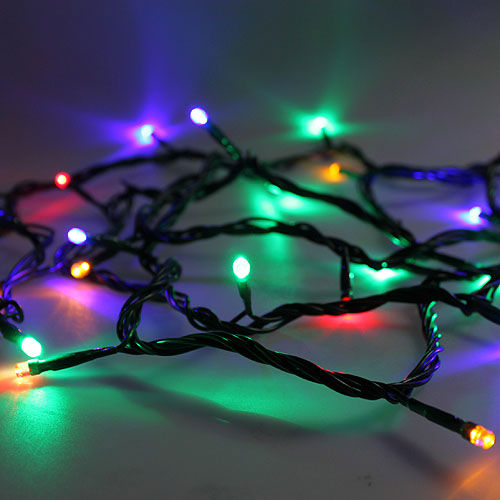
However, the regulations that required a switch from incandescent light bulbs to LEDs was not mandated for decorative bulbs, such as those in holiday lights. Because of that, consumers are still faced with the choice between incandescent and the more efficient LED lights. According to the U.S. Department of Energy, the cost of electricity to light a six-foot Christmas tree for 12 hours per day over 40 days would be $10 if using incandescent lights compared with just $0.27 by using LEDs. So while the cost to purchase LED holiday lights may be greater at the register compared with incandescents, the energy savings add up over the holiday season (not to mention the lifetime of LED holiday lights that can last 40 holiday seasons compared with just 3 by the incandescents). The energy-conscious choice is clear: lighting your home and your tree with LEDs will reduce the energy impact of the holidays.
Be Conscious of Wattage When Buying Lights
Beyond just choosing between LEDs and incandescent bulbs, the holiday revelers have more decisions to make while buying holiday lights. Even among LED options, the energy use is not the same. To make an educated decision about which box of lights to buy, consumers should recognize the importance of the wattage of their lights. The greater the rated wattage on a string of light, the more energy they will consume once plugged in. And while you may be choosing between something that seems of minimal difference, such as 10-watt lights vs. 7-watt lights, over the course of the holiday season and with many lights across your home the difference can add up.
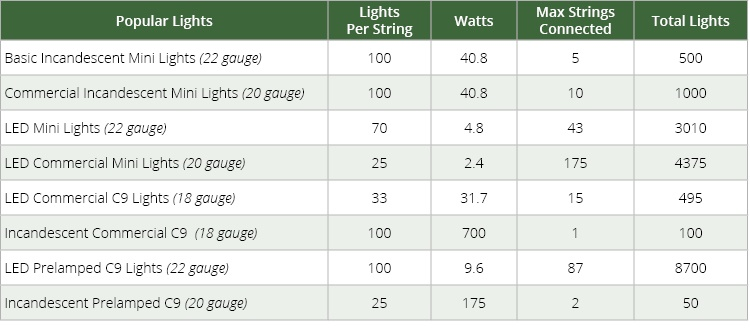
Here’s an example. Let’s say you need four strands of lights for your six-foot Christmas tree, another four strands for an outdoor tree, and another ten strands for your roof, windows, and the rest of outdoors. You may quickly lead up to 1,000 individual twinkling bulbs on your holiday light setup that are going to be lit for 6 hours per night for the full month of December. While you might have made the energy-conscious decision to use LEDs, there are LED strands that use less than 0.1 watts per bulb and others that use nearly 1 watt per bulb.
Source: Christmas Lights Etc.
That’s a difference of 0.6 kilowatthours per night and 6 kilowatthours per night, a huge energy difference! So don’t stop just at choosing LEDs, but be conscious of the wattage of your LED holiday lights.
Plug Into Smart Plugs to Limit Time Lights are On
Once you have your holiday lights purchased, the best way you can address exactly how much energy they will use is by being conscious of how often they are lit during the holiday season. It doesn’t take an energy expert to realize that the longer you leave them on, the more energy they’ll use and the more your electricity bill will reflect that! While everyone can simply be aware of when they turn the lights on and when they turn them off, smart technology has made controlling energy use from holiday lights all the easier.
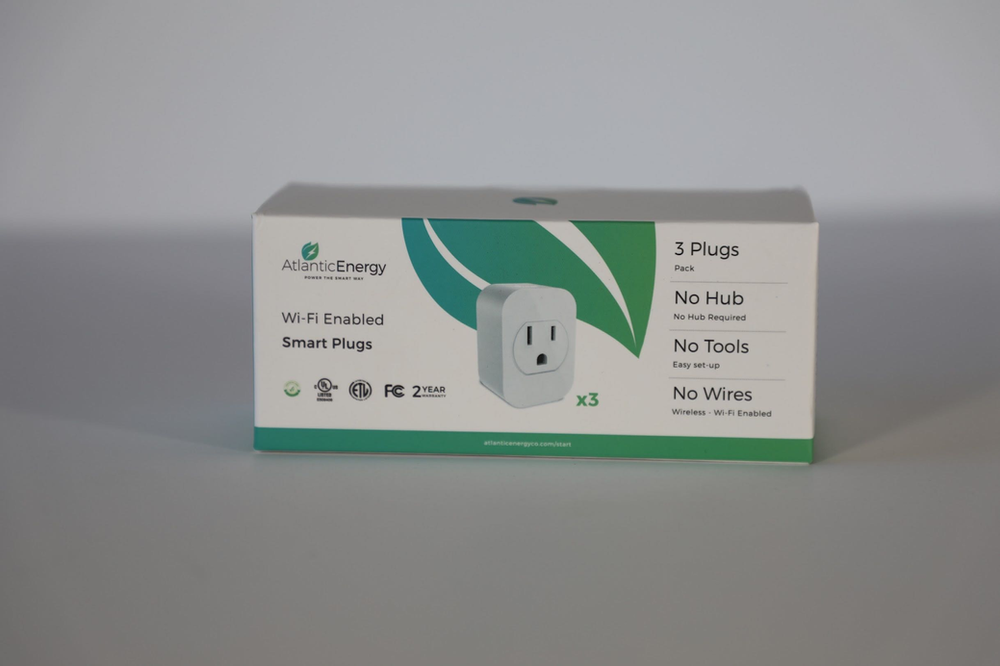
Specifically, you can plug your holiday lights into smart plugs. Smart plugs are devices that you plug directly into your outlet and then you can plug your holiday lights into the smart plug. In that way, you can now use an app, web portal, or even home voice assistants like Amazon Alexa to control when power is delivered to the lights and when they are turned off.
Using these smart plugs, you can schedule exactly when the lights turn on and off each night, ensuring you never forget to turn them off, laziness never gets in the way, or any other reason. Even better, you can control the smart plug remotely to adjust this schedule via the associated app. If you unexpectedly are out of town for a week and don’t want the holiday lights to be lit while you’re gone, all it takes is the tap of an app on your smartphone to make sure they aren’t being lit while you’re out and using energy you’d rather conserve. Note that Atlantic Energy’s Smart Home Bundle offers customers three smart plugs after 18 months of service, and these smart plugs can leverage the automation capabilities of the associated Atlantic Energy App to help control the lights and minimize energy use.
Don’t Let Your Lights Be Energy Vampires
A last energy-saving tip for holiday lights relates sounds like it comes from Halloween instead: use smart technology to prevent energy vampires! An electronic device turns into an energy vampire when it continues to draw electricity from the power socket despite being off, simply because it’s still plugged in.
If you have strands of holiday lights plugged into outlets all over, both inside and outside your home, they will continue to draw trace amounts of electricity from the outlets even if you’ve switched the lights off. This is another situation where individually it may not seem like much energy, but over many different plugs and for hours each night for a month, it can really add up.
To prevent your holiday lights from becoming energy vampires that suck electricity from your wall, there are a number of strategies. First is to use a power strip to plug all your lights into at once. That way you can switch off the power strip which will prevent the power draw to each of the individual plugged-in devices. In a more direct way, you can opt to unplug your lights when they’re not in use rather than just turn them off, or more conveniently have them plugged into an outlet that’s controlled by a light switch so you can cut the power to the outlet entirely.
There’s no need to be a Scrooge and not want to use your electricity to go towards illuminating your home for the holiday; it’s a fun way to bring your family and community together. But if you want to remain conscious of conserving energy these tips can help you minimize the impact on your energy use and your power bill!
There once was a time where electric vehicles on the road were just an impractical plaything for the wealthy who got early access to a Tesla. But actually, if you go back further, electricity was actually one of the options to run early developed automobiles before gasoline won out as the preferred technology. Despite having to wait well over a century to grab mainstream attention and acceptance, we’re finally at a time where seeing electric vehicles (EVs) in your neighborhood and chargers at your local store are rather commonplace.
You may find yourself wondering whether or not you’re ready to take the plunge into the world of EVs, as the 16% of Americans who say they are likely to buy an EV next time they go car shopping, and if so here are the questions you need to ask yourself:
How often am I driving long distances?
Range anxiety is one of the biggest deterrents to buying EVs. Customers may want to go green and drive more sustainably, but not knowing if you’ll be able to recharge when and where you need is a scary thought. So to see if an electric vehicle is compatible with your way of life, consider how often you’re driving long distances. EVs have a battery range that can go as low as less than 100 miles to greater than 300 miles, but even the high-end models with 300+ miles of range won’t necessarily be sufficient if you’re planning long road trips with any type of frequency. If you drive cross-state for holidays, like the option to pop into a car and drive hundreds of miles at a moment’s notice, or anything else, then you need to consider how purchasing an EV will impact that. If the EV is not your only vehicle and you can use the gasoline-powered car during longer trips (or even are willing to rent one), then it may not be an issue. But if you plan to only have an EV and you’re frequently driving a few hundred miles here and there then the need to stop and charge for 30-60 minutes in the middle of those trips may not be what you are willing to deal with.
Do my frequent destinations have chargers?
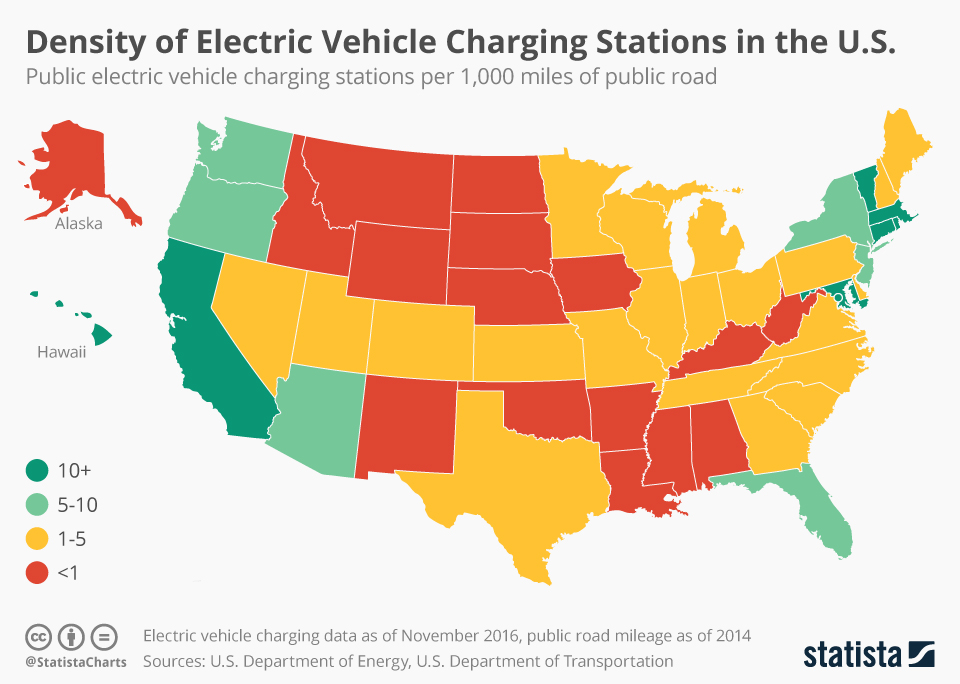
For shorter, more frequent trips, a great question to examine is whether your frequent destinations already have built-in publicly available chargers. For example, if you drive to work, does your parking lot or parking garage have an EV spot you can use? Similarly, do you have a frequent shopping center or restaurant you’d be driving to that has such chargers available? Having the ability to charge at these frequent destinations can minimize your day-to-day range anxiety and also maybe save you money if they are free to use. If you live in an area where chargers are already built out well, such as California, Hawaii, or Maryland, then integrating charging into your activities as you run around doing errands is not as big of a deal.
Is my garage outfitted with the right equipment for a home charger?
More often than not, though, your EV charging will take place at home. But not all EV charging is done the same. If you were to just plug into your basic outlet at home, an EV would take over 20 hours to completely recharge an empty battery. This would be using Level 1 Charging, but given that speed is sufficient for frequent drivers who will want their car to be fully charged in the morning when they’re ready to leave again, then that might not be enough. For those who need faster charging at home, they can consider installing a Level 2 Charger that can do the trick in just a handful of hours. The problem, though, is that installing a Level 2 Charger requires a 240V outlet, a separately purchased piece of equipment that will cost a few hundred dollars, and a professional to install it. The 240V outlet is the biggest issue, though, as not all garages or areas where you may envision parking your EV will have the wiring completed in such a way, particularly in older homes. So if you need that faster charging and you need to install a 240V outlet, that needs to factor into your consideration.
Can I afford it?
Lastly, a huge factor stopping many people from making the green and eco-friendly decision they want to with an electric vehicle purchase is the cost. While the prices have dropped dramatically since the early days of Tesla and made EVs more accessible to regular families, they are still certainly more expensive than their gasoline-powered counterparts when looking at sticker price. The important factor to consider, though, is lifetime price and costs. According to the U.S. Department of Energy, it costs about half as much to drive an electric vehicle per mile thanks to the fact that electricity is cheaper than gasoline. Similarly, the costs for routine maintenance and repairs over the life of the EV is 25% lower than that of the gas-powered equivalent, making the lifetime costs again more accessible. So don’t just look at the sticker price and decide you can’t afford to make the energy-efficient and sustainable decision-- if you can front the costs to go electric, it very well may pay for itself in the end!
The winter season can mean plenty of things to different people: treasured time with families during the holidays, hot chocolate and snowball fights, or even a reason to bust out your favorite sweaters and jackets. But for those of us who constantly think about how to sustainably live green and reduce energy use for our monthly bills, winter means the return of high power use to stay warm.
It doesn’t have to be that way, though, as this winter you can integrate these 5 top energy saving tips that will let you stay warm and integrate eco-minded energy savings at the same time:
1. Reverse the direction of your ceiling fan’s rotation
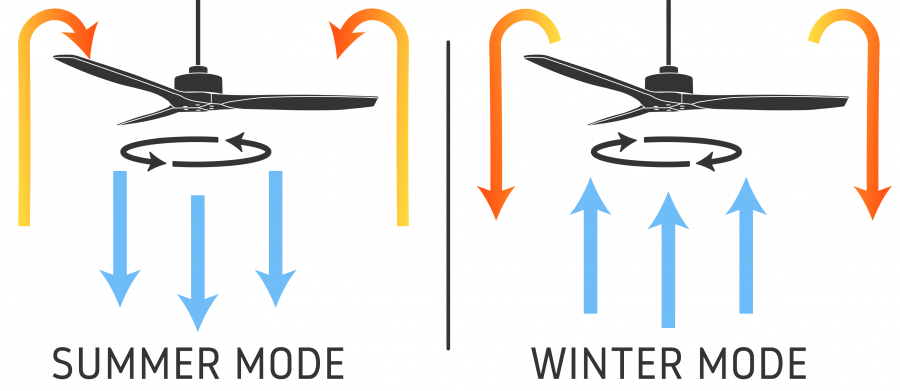
We’re starting off with one that most people may have never thought of, but you can actually use your ceiling fans to keep rooms in your home warm. When you look at the blades of a ceiling fan, you’ll notice they are tilted in a specific direction, and when you turn this fan on during the heat of summer these tilted blades serve to circulate air and cool you off and push the warmer air (which, physics tells us, naturally rises). But for the winter months, you can reverse the direction of your ceiling fan so it spins clockwise (as opposed to the standard counterclockwise) and that tilt helps to drive the warm air downwards. This strategy will help warm your rooms in a much more energy-efficient manner than ramping up the thermostat would, saving you up to 10% on your heating costs each winter.
2. Utilize the capabilities of smart thermostats to minimize wasted energy in heating
And speaking of thermostats, the Internet of Things (IoT) has really taken hold of the thermostat market and can help you to target and optimize how you heat your home so it maximizes results while minimizing wasted energy. As Atlantic Energy has noted before, smart thermostats can save your heating energy use in numerous ways.
To start, smart thermostats allow you to ensure a warm home whenever you’re home without ever having to waste energy to heat your home while you’re away. Whether through the smart learning feature where a smart thermostat learns your schedule, by setting a strict schedule of when to heat and when not to, or even by tapping into geofencing capabilities that will know to start heating a home as you approach the front door, you can save immense amounts of energy (up to 10-12%) by purposely heating only when is necessary rather than 24/7.
The other capability opened up by installing a smart thermostat is in easily and smartly adjusting the level your thermostat is set to on the fly. The U.S. Department of Energy notes that you can save as much as 10% of your energy use in heating by adjusting your thermostat seven to ten degrees if you’re able. So because your smart thermostat is connected to your phone, or maybe even your home voice assistant, you can take advantage by manually adjusting your thermostat down to minimize the energy you demand from it.
3. Dress and use your curtains in an energy-conscious manner
Windows are typically an area of the home most vulnerable to heat loss but they can also be the easiest place for the sun to work its magic and heat up a room. Knowing how and when to take advantage of these natural pathways to the elements outdoors can do wonders in minimizing the work that your HVAC system has to do.
When it comes to the sun, during the daytime hours you want to be sure to keep the curtains open on south-facing windows. These are the windows where the sunlight will be more directly striking your home, and as the sun is the most powerful source of energy we have available to us you don’t want to allow these valuable rays to go to waste! Draw the curtains on these windows and let the sun naturally heat up your home.
Outside of these sun-kissed windows, though, you definitely want to utilize your curtains-- thick and thermal curtains specifically, if you can get them-- to keep the heat inside your home. For windows that don’t have direct sunlight, and for all windows after the sun has set, keeping the curtains closed will help insulate the windows and prevent the heat you’ve pumped into your home through the heater from escaping through the window. So it’s important to know which windows are facing which direction and properly open and close those curtains to maximize natural heating and minimizing heat loss.
4. Be sure to properly maintain your heater
Lastly, be sure not to take for granted the work that your heater is doing for you each day and night during the winter and let the equipment do its job as best as its able. The way to ensure this happens is by doing your part to properly maintain it.
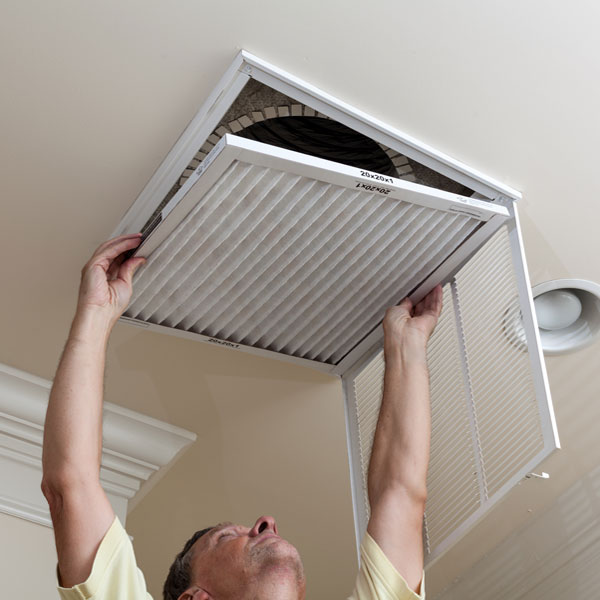
To start, HVAC filters must be checked regularly (Home Depot recommends that fiberglass filters get changed every 30 days while pleated air filters get replaced every 3 to 6 months). By making sure your filters are clean, your heater won’t have to work as hard to pump out the hot air that keeps you and your family toasty during those winter nights. According to the U.S. Department of Energy, this simple act of maintenance can save you 5% to 15% on your HVAC energy consumption each year!
Another example is to make sure to not block your air vents. These vents throughout your home are where the warm air is being sent by your heater, but if you have them partially or completely covered by furniture, appliances, or other objects you are reducing the efficiency of your heating system. These blockages will heat up and your heater will have to pump out more heat until the desired temperature on the thermostat is reached. So, let your heater do its job and don’t make it harder on the equipment or on your utility bill.
5. Tap into an Expert’s Knowledge Via Home Energy Audit
If you want to be thorough and capture all ways to potentially save energy this winter, you can hire an expert to come through your home and perform a home energy audit. When you bring in the experienced energy professional to your home, chances are they’ll tell you about all the above tips but they’ll also do a thorough job to identify any other energy upgrades that can save you on your winter heating bills that are uniquely suited to your house.
In these home energy audits, your hired professional can perform leakage tests to see where heat is escaping your home (such as gaps in the doors or through inefficient windows) and offer ways to patch them. Similarly, they can highlight where insulation could help drastically decrease your home heating needs, such as in the walls or in your home’s attic.
When all else fails, calling in the big guns in a certified energy professional might be the smartest move you can make to save energy this winter.